 TRENDING
Glass skin: the 3 steps that actually matter
- "Glass skin" means skin so hydrated and smooth it looks almost see-through.
- The secret is hydration, gentle care and sunscreen, not 10 products.
- No product gives glass skin overnight. Think months, not days.
What is glass skin?
The term comes from Korea and describes clear, bouncy, glowing skin that reflects light like glass. Real skin has pores and texture, and that's fine. The goal is healthy, well-hydrated skin that glows.
The 3 steps that matter
2. Layer hydration. A hydrating essence or serum under your moisturiser makes the biggest difference. On dry days, add a sleeping mask at night.
3. Sunscreen every morning. Sun damage is the fastest way to lose glow.
What about Indian weather?
In humid cities, choose gel textures and skip heavy creams. In dry winters or AC offices, add the sleeping mask. Glow is about balance, not oiliness.
Popular hydrating picks
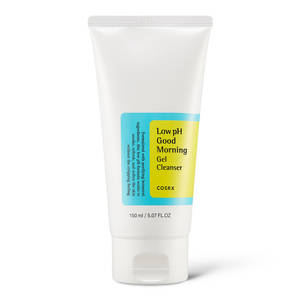
COSRX Low pH Good Morning Gel Cleanser
Mild and low-pH, so skin stays soft after washing.
See on Nykaa →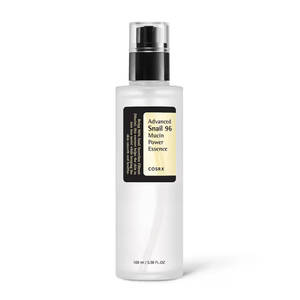
COSRX Advanced Snail 96 Mucin Power Essence
The classic glass-skin essence.
See on Nykaa →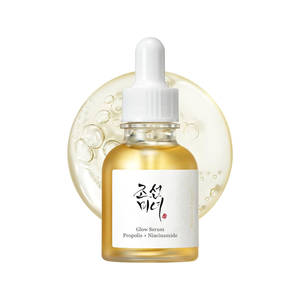
Beauty of Joseon Glow Serum (Propolis + Niacinamide)
Light, glowy serum that suits most skin.
See on Nykaa →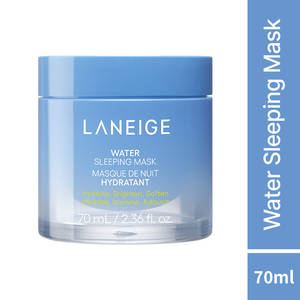
LANEIGE Water Sleeping Mask
An overnight hydrating mask. Great in dry weather and AC.
See on Nykaa →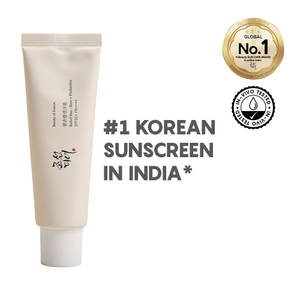
Beauty of Joseon Relief Sun (Rice + Probiotics)
A dewy sunscreen that keeps the glow.
See on Nykaa →Glow comes from doing it daily
Glow Shelf tracks your hydration steps and reminds you so you never skip a day.Track my routine for free →
Some links on this page may be affiliate links. If you buy through them, Glow Shelf may earn a small commission at no extra cost to you. This guide is general information, not medical advice. See a dermatologist for persistent skin concerns.